

Scammers target all ages, but often prey on the elderly.
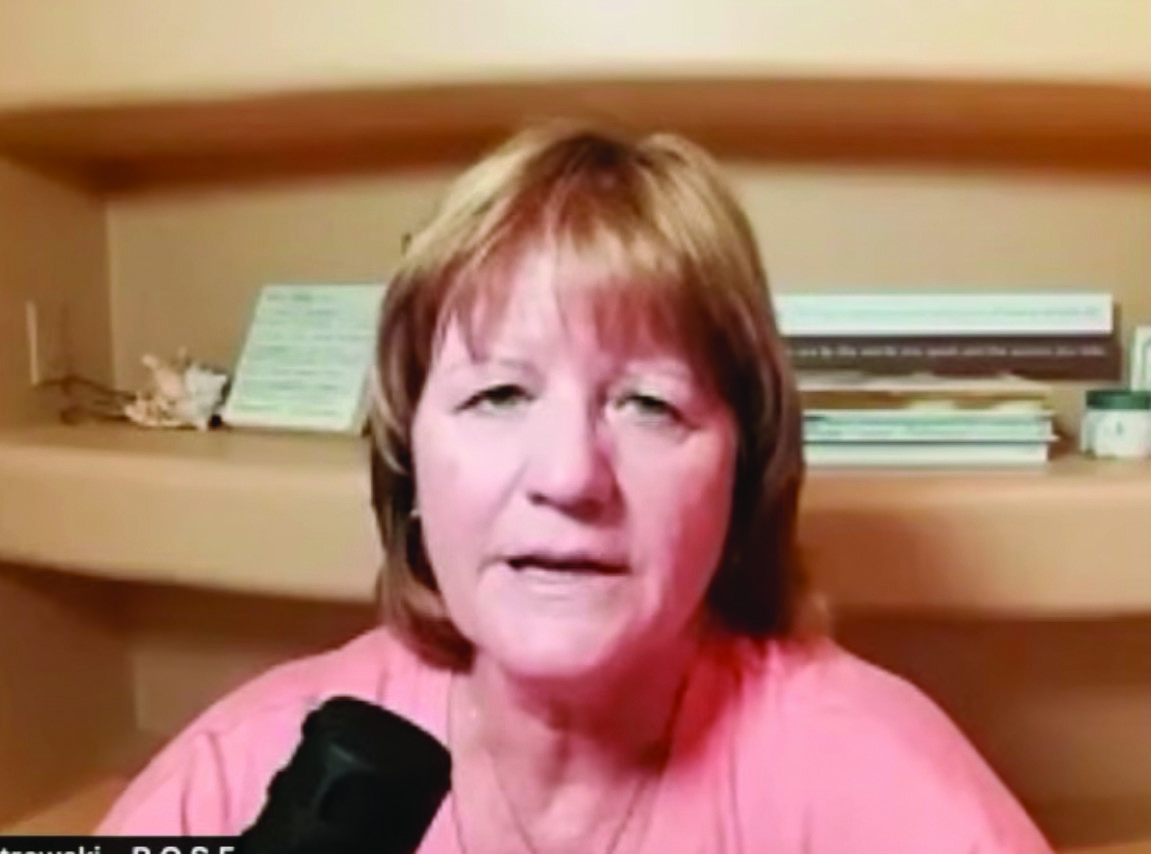
Joyce Petrowski of Ahwatukee is working to stopping them.
Petrowski is the founder and board president of R.O.S.E. (Resources/Outreach to Safeguard the Elderly).
She started the nonprofit in 2021 after a loved one had fallen victim to a romance scam.
Petrowski started doing some research and discovered that few organizations focus solely on scam prevention, education and protection.
“We decided to take the path of prevention because there are already a lot of organizations that help once you become a victim,” explained Petrowski.
“If somebody calls, and they’ve done something or fallen victim, we’ll give them information on what to do. But our program is on prevention.”
R.O.S.E. offers prevention strategies that apply to any scam.
“The best prevention tip is to get recurring awareness and education,” said Petrowski. “And that can come in a variety of different facets, which we do. We have our in-person presentations, but then to make it recurring, we are on social media. .. and we do emailed and mailed newsletters.
She also offers a Tuesday tip on social media that she admits “people might look at that tip and go, ‘Okay, I already know that.’”
But she said what’s important is that “it reinforces scam prevention, so the next time you’re contacted, you’re more apt to think scam and go ‘okay, I need to stop. I need to think about what’s going on. Talk to my trusted person and verify if this is a legitimate one instead of immediately engaging with the scammer.’”
Often, she said, scammers prey on emotions because “it’s so much easier for them to take your money when you’re emotional.”
Petrowski said scams are becoming harder to spot as more legitimate organizations adopt the same communication tools.
“Nowadays, a lot of legitimate organizations text, and they use automated systems to call and remind you of appointments,” she said. “Many companies are also texting to send bills and let customers make payments on their phones.”
That overlap can create confusion for consumers.
“Normally we would say, ‘Don’t click on links,’ but now some of those messages can be legitimate,” Petrowski said.
“The old advice was ‘trust but verify.’ Today, it’s really the opposite — verify first, then decide whether to trust.”
She added that older adults must have “healthy skepticism and question, research and verify.”
Another tactic scammers use is telling potential victims they have only 24 hours to access a financial document or statement. By clicking on a tab that says “view documents,” that can enable the scammer to get access to accounts.
There’s also a software program that tech support people use, allowing them remote access when trying to fix something on a device.
“Scammers are taking that software, and they’re using it to their advantage,” Petrowski said. “If they can get somebody to click on these links, then they’ve manipulated the software that allows them to take over the person’s device.
“They have a bunch of ways of taking over your device. .... They might take one technique from one scam, another technique from another scam, put it together and make a whole new one.”
Petrowski’s nonprofit also educates the younger generation.
“We have a program on how to protect your loved ones from the financial exploitation of scams. And one of the things we talk about is having conversations and being proactive about the conversations.
“You can weave the scams into regular conversation with our information every week. You can take that Tuesday tip and use it as a conversation starter.
“The more that you can have these non-defensive, non-threatening conversations with your loved ones, the more that’s going to help reinforce their scam prevention habits.”
Petrowski stressed that with older family members and loved ones, it’s important to tell them that if they have any doubts about a strange email, text or phone call, to always reach out to a family member or friend.
“People need to understand that it’s not a matter of if they are going to be affected by a scam, whether it’s them personally or someone in their family – it’s a matter of when,” said Petrowski.
“The first thing to understand with scam prevention is that you have to realize that you are a target and your loved ones are, and they very easily can fall victim. And so, we need to be proactive about this,” she continued.
“They can work their whole life, save, have their nest egg for retirement, have their legacy that they want to leave to their family, and then a scammer can come in within minutes and take all of it.
People can sign up for the newsletter at the bottom of the R.O.S.E. homepage. The social media channels are also on the homepage, where there’s a link to Petrowski’s weekly radio show on the YouTube channel.
Information: roseadvocacy.org or 602- 445-7673.